

Company history
Twenty years of the same signal.
Voltree Power has worked with bioelectrical signals of living trees since 2005, through peer-reviewed research, federal deployments, an award-winning product line, and the lessons that shaped its "Next Generation" product line, VoltreeAI, today.
2005
The circuit that started it
An inventor brought a curious circuit to an engineering firm in Canton, Massachusetts: it drew a small, steady voltage from a living tree. The engineers replicated it and patents were filed, to find out what that signal was worth.
2006-2008
MIT establishes the mechanism
Peer reviewed
Voltree's founders funded research at MIT to answer the first question honestly: where does the voltage come from? The answer, a pH concentration cell between xylem and soil, following the Nernst equation at roughly 59 millivolts per pH unit, was published in PLoS ONE in August 2008, with controls that excluded dissimilar-metal effects, illumination, time of day and sap flow. MIT News covered it two days running.
2009
Boise: the first under-canopy federal deployment
Historical
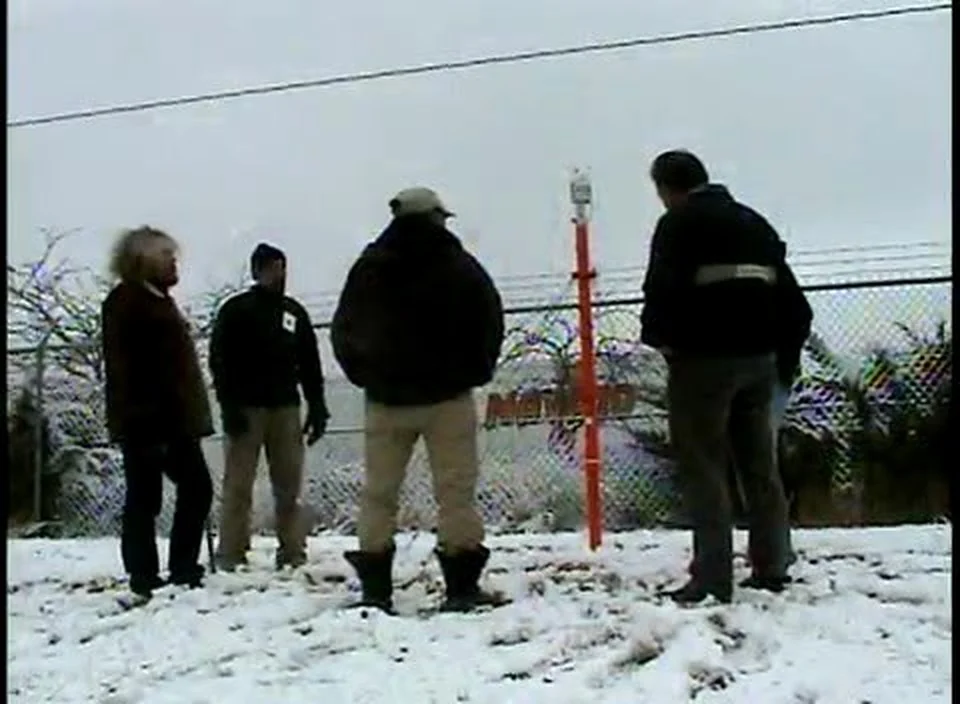
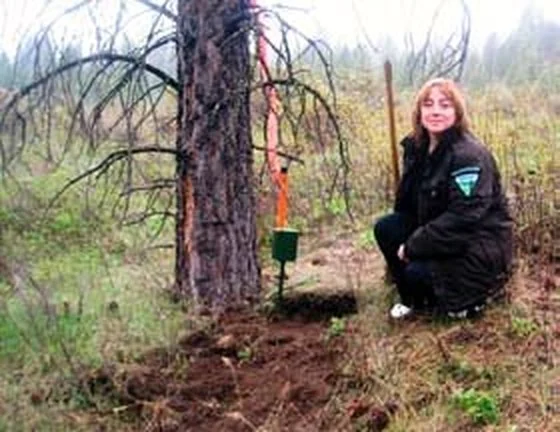
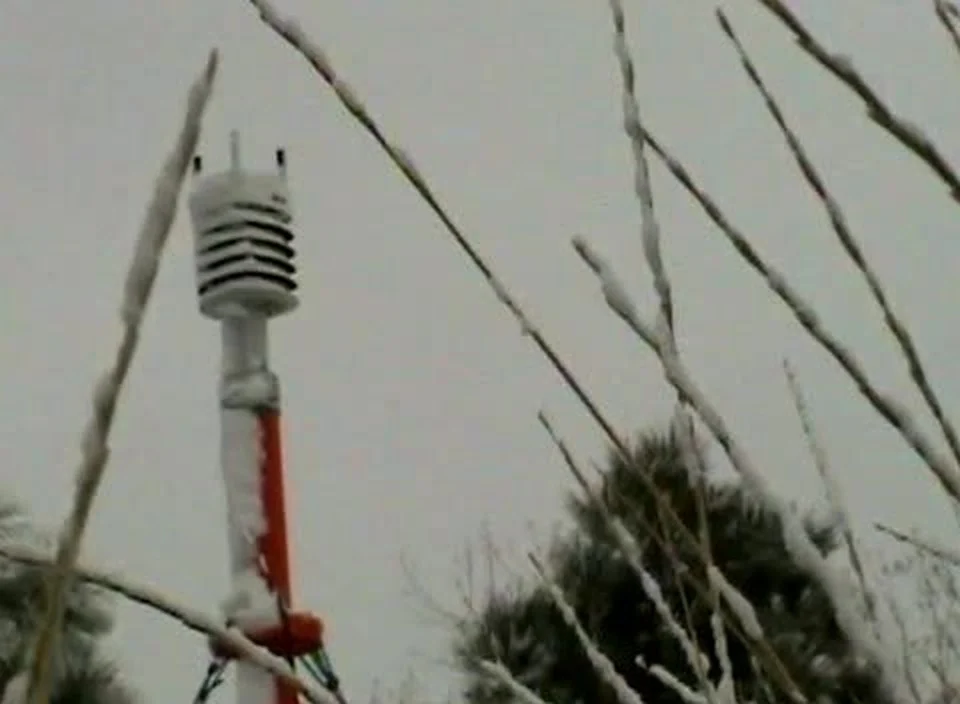
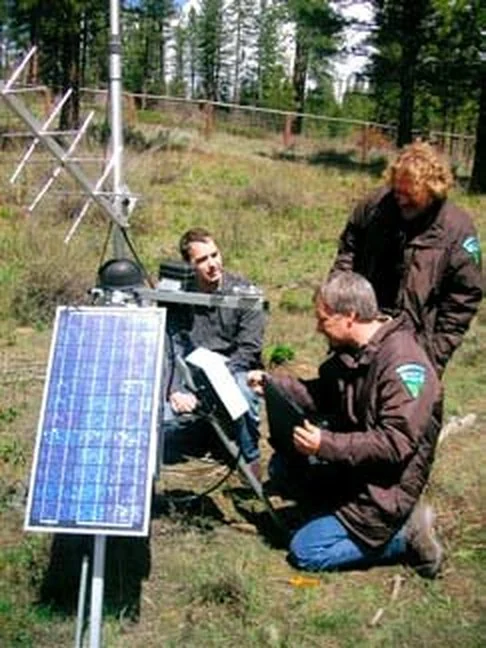
In spring 2009 Voltree deployed its climate sensor network with the Bureau of Land Management and Vaisala at the National Interagency Fire Center in Boise, followed by a US Forest Service seed orchard in Idaho City. In September 2009 the USDA Forest Service and BLM contracted the first Climate Sensor Network; station data fed onward via GOES satellite.
2009-2011
Javelin: the award-winning rapid deploy
Historical
The Javelin RD-100 grew out of those deployments: a portable weather network one person could carry and stand up in about ten minutes, without tools, a fraction of the weight and cost of a portable RAWS station. Popular Science named it a Best of What's New 2009 winner in Green Tech, and Texas Instruments published the sensor-node electronics as a design case study in 2011.
2010
Vaisala
Historical
The reference name in environmental measurement featured the partnership in its customer magazine, Voltree's under-canopy network alongside Vaisala's stations.
2014-2015
Teaching the signal
The CircuiTree science kit took tree electricity into classrooms, a 2014 agriculture-innovation award winner and a 2015 MassChallenge participant.
Company history
What the first era taught
The sensing was ahead of its market. And one engineering lesson mattered more than any award: harvested tree power alone could not sustain reliable radio networking in remote forest. Voltree said so publicly, moved the product line to battery and solar power, and kept the patents, the data and the relationships. That lesson is built into today's battery-first architecture.
2016-2017
Back to the bench
TRL 5
Company-sponsored university research observed voltage changes preceding visible drought stress in a controlled study. The recovered laboratory and field data now feed the design of the current validation programme.
2019
Perimeter Solutions
A partnership with the wildfire-retardant leader connected the sensing work to the fire-management industry.
2026
VoltreeAI
The measurement question returns as a data platform: continuous plant-level data from beneath the canopy, proposed first for utility corridors. One company, one brand, tested in the open. The current programme lives on the Validation page.